IT izstrādes pakalpojumi uzņēmumu izaugsmei
Esam tehnoloģiju partneris, kas palīdz uzņēmumiem izstrādāt, attīstīt un uzturēt mūsdienīgus digitālos risinājumus mainīgām biznesa vajadzībām.

Mums uzticas
Uzņēmumi, kas uzticas LTECH



Starp mūsu klientiem ir arī daudzi citi uzņēmumi un organizācijas. Ja vēlaties papildu rekomendācijas, sazinieties ar mums.
Pakalpojumi
No izstrādes līdz procesu un datu pārvaldībai
Palīdzam uzņēmumiem ar programmatūras izstrādi, datubāzu migrācijām, integrācijām un procesu pārvaldības rīkiem.
Visi pakalpojumiIzstrāde un infrastruktūra
IT ārpakalpojumi un ekspertu īre, lai izstrādātu uzturamas un mērogojamas sistēmas.
Datu un sistēmu risinājumi
Datubāzu migrācijas, AI risinājumi un integrācijas modernām sistēmām.
Procesi un rīki
Rīki un optimizēti procesi, kas uzlabo efektivitāti un atvieglo ikdienas darbu.
Pieredze ar sarežģītiem uzņēmumu projektiem
Ātrāka ieviešana, mazāki riski
Mērogojami risinājumi ilgtspējīgai izaugsmei
Uzticams partneris jūsu digitālajā ceļā
Raksti
Pieredze no IT projektiem
Mūsu komanda dalās pieredzē par migrācijām, procesiem, IT risinājumu izstrādi, kā arī nozares jaunumiem un izaicinājumiem.
 ClickUp2026. gada 26. maijs
Kāpēc arvien vairāk uzņēmumu izvēlas ClickUp
ClickUp palīdz komandām pārvaldīt projektus, automatizēt procesus un strādāt efektīvāk vienotā darba vidē.
Lasīt rakstu-1.webp&w=3840&q=75) Atlassian Jira2026. gada 19. maijs
Atlassian Jira2026. gada 19. maijsAgile mērogošana- kāpēc sākumā viss kļūst lēnāks
Kāpēc Agile mērogošana bieži palēnina piegādi? Uzziniet, kur rodas sarežģītība un kā saglabāt līdzsvaru starp saskaņotību un komandu autonomiju.
Lasīt rakstu Atlassian Jira2026. gada 13. maijs
Azure DevOps vs Jira: izvēle ir par to, kā strādā jūsu komanda
Azure DevOps un Jira salīdzinājums - kā atšķiras šo rīku pieeja projektu vadībai, automatizācijai un komandu darbam, un kurš risinājums piemērotāks dažādiem projektiem.
Lasīt rakstu
Pierādījumi
Pieredze, uz kuru uzņēmumi paļaujas
Vairāk nekā 20 gadu pieredze, vairāk nekā miljons gala lietotāju un sertificēti procesi.
- Gadu pieredzes
- 0
- Gala lietotāji
- 0
- Sertificēti procesi
- ISO
9001 · 27001 (drīzumā)
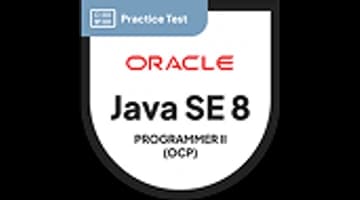
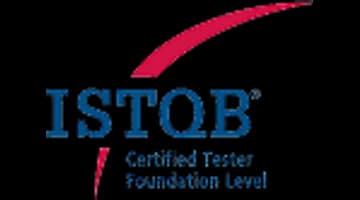
Sertifikāti un akreditācijas
Darbinieku un uzņēmuma sertifikāti, kas apliecina mūsu darba standartus.



Nozares
Nozares, kurās strādājam ikdienā
Strādājam ar uzņēmumiem no nozarēm, kur būtiska ir drošība, stabilitāte un procesu izpratne.


01
Apdrošināšana un banku nozare
Veidojam un modernizējam sistēmas finanšu un apdrošināšanas uzņēmumiem - integrācijas, migrācijas un platformas, kas palīdz attīstīt jaunus pakalpojumus un modernizēt esošo vidi.

Vērtības
Četras vērtības, uz kurām balstām savu darbu
Šie principi nosaka, kā plānojam projektus, sadarbojamies ar klientiem un strādājam ikdienā. Tās nav tikai vērtības uz papīra, bet mūsu darba pamats.
Elastīga pieeja
Strādājam ar elastīgu pieeju, lai ātri pielāgotos pārmaiņām un nepārtraukti uzlabotu risinājumus.
Atklāta un godīga sadarbība
Atklāta komunikācija un skaidri procesi veido ilgtermiņa sadarbību, kas balstīta uzticībā.
Fokuss uz rezultātu
Veidojam risinājumus, kas palīdz sasniegt jūsu biznesa mērķus un rada reālu vērtību.
Spēcīga komanda
Veidojam vidi, kurā komanda var augt profesionāli, sadarboties un sasniegt labākos rezultātus.
Saziņas forma
Pastāsti par savu ideju
Aizpildiet formu, un mūsu komanda ar jums sazināsies, lai pārrunātu projekta vajadzības un iespējamos risinājumus.
Vai vispirms apskati pieredzes stāstus